STORY
ABOUT THE Agave americana
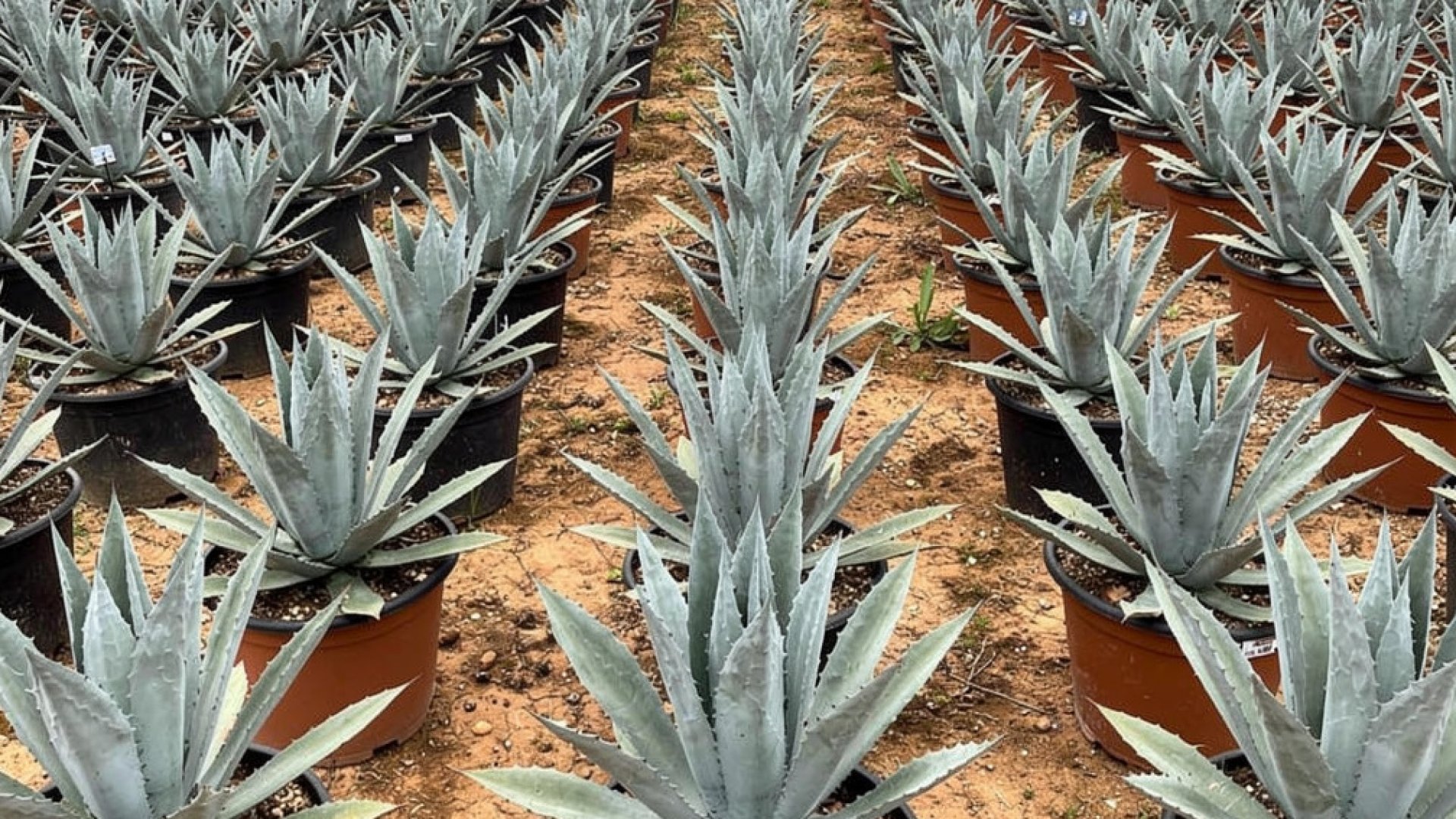
A bold, sculptural succulent widely naturalised across the Mediterranean region, Agave americana creates an immediate visual impact with its large rosettes of blue-grey, spine-tipped leaves. It is exceptionally resistant to drought, heat, and coastal conditions, requiring minimal maintenance once established in the landscape. Its dramatic flowering spike, which can reach several metres in height, makes it an unforgettable specimen plant for large-scale projects.
AVAILABLE DIMENSIONS
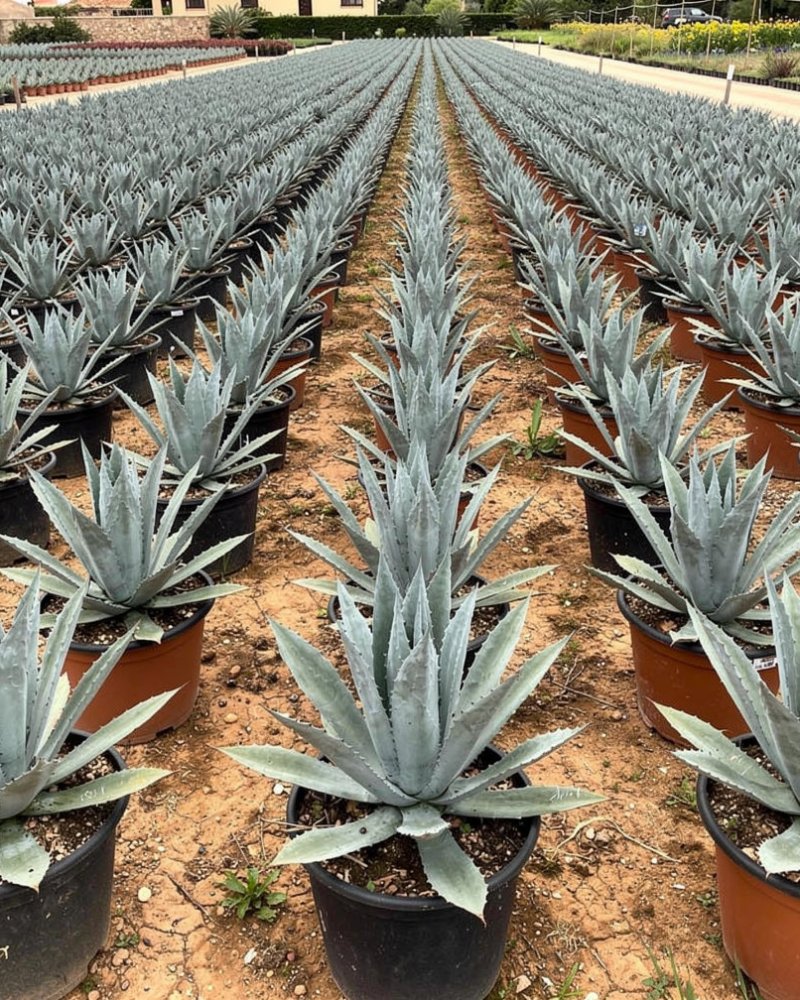
SELECT YOUR IDEAL SIZE
PLANT DETAILS
EVERYTHING YOU NEED TO KNOW
DETAILS
Agave americana, commonly known as the Century Plant, belongs to the family Asparagaceae and originates from Mexico. It forms a dramatic basal rosette of rigid, blue-grey leaves edged with sharp teeth and terminating in a stout terminal spine. Mature rosettes typically reach 1.5 to 2 metres in height and up to 3 metres in spread, making it a commanding specimen in large-scale planting schemes.
The plant is monocarpic, producing a towering flowering spike of 6 to 10 metres after 10 to 30 years, bearing thousands of yellow blooms. After flowering, the main rosette dies but produces offshoots, ensuring landscape continuity. Its bold architectural silhouette is a defining feature for wholesale Agave americana nursery supply.
The plant is monocarpic, producing a towering flowering spike of 6 to 10 metres after 10 to 30 years, bearing thousands of yellow blooms. After flowering, the main rosette dies but produces offshoots, ensuring landscape continuity. Its bold architectural silhouette is a defining feature for wholesale Agave americana nursery supply.
GROWING
Agave americana thrives in full sun and is highly adaptable to a wide range of well-drained soils, including sandy, rocky, or poor substrates. It tolerates a soil pH between 6.0 and 8.0 and demands excellent drainage to prevent root rot. Growth rate is moderate in optimal conditions and slower in cooler climates.
Watering needs are minimal once established, making it ideal for xeriscaping and low-irrigation projects. Avoid waterlogged or clay-heavy soils. Nursery-grown stock available for wholesale buyers benefits from controlled substrate mixes ensuring healthy root systems ready for transplanting into diverse Mediterranean and coastal landscape conditions.
Watering needs are minimal once established, making it ideal for xeriscaping and low-irrigation projects. Avoid waterlogged or clay-heavy soils. Nursery-grown stock available for wholesale buyers benefits from controlled substrate mixes ensuring healthy root systems ready for transplanting into diverse Mediterranean and coastal landscape conditions.
CLIMATE
Agave americana is hardy in USDA zones 8 to 11 and tolerates brief frosts down to approximately -9 degrees Celsius when the soil is dry. It is fully naturalised across Mediterranean climates, thriving in Spain, Italy, Greece, and North Africa, making it a practical choice for buyers sourcing wholesale Century Plant Spain and similar warm regions.
It demonstrates outstanding heat tolerance, performing reliably in temperatures exceeding 40 degrees Celsius. Coastal exposure presents no issue, as it tolerates salt spray and sea winds well. In cooler northern climates, planting against south-facing walls or in sheltered microclimates significantly improves overwintering success.
It demonstrates outstanding heat tolerance, performing reliably in temperatures exceeding 40 degrees Celsius. Coastal exposure presents no issue, as it tolerates salt spray and sea winds well. In cooler northern climates, planting against south-facing walls or in sheltered microclimates significantly improves overwintering success.
LANDSCAPING
Agave americana is a premier specimen plant for large-scale commercial landscaping, coastal promenades, resort gardens, roundabouts, and xeriscape installations. Its sculptural form pairs effectively with ornamental grasses, Yucca species, Phlomis, and Cistus. Allow a minimum spacing of 2.5 to 3 metres between plants to accommodate mature spread and to ensure safe pedestrian clearance given the sharp leaf tips.
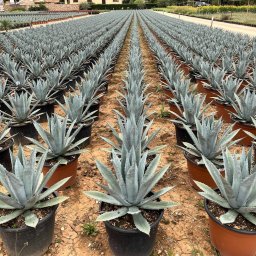
For wholesale buyers, mature specimens in large containers are considerably heavy, requiring forklift handling and reinforced pallets during transport. Smaller stock in 3 to 10 litre pots offers logistical flexibility. Protective wrapping of terminal spines is strongly recommended to prevent injury during shipping and handling on-site.
For wholesale buyers, mature specimens in large containers are considerably heavy, requiring forklift handling and reinforced pallets during transport. Smaller stock in 3 to 10 litre pots offers logistical flexibility. Protective wrapping of terminal spines is strongly recommended to prevent injury during shipping and handling on-site.
CARE
Agave americana requires very little ongoing maintenance once established. Remove dead or damaged outer leaves with heavy-duty pruning tools and cut spent flower spikes at the base after monocarpic flowering. Offsets can be detached and propagated, offering commercial value for nurseries and landscapers purchasing wholesale stock.
Fertilisation needs are minimal; a single application of balanced slow-release fertiliser in spring is sufficient to support healthy growth. The plant shows strong natural resistance to most pests and diseases. Root rot remains the primary risk, managed through proper drainage. No winter protection is required in USDA zone 9 and above under dry conditions.
Fertilisation needs are minimal; a single application of balanced slow-release fertiliser in spring is sufficient to support healthy growth. The plant shows strong natural resistance to most pests and diseases. Root rot remains the primary risk, managed through proper drainage. No winter protection is required in USDA zone 9 and above under dry conditions.