STORY
ABOUT THE Olea europaea
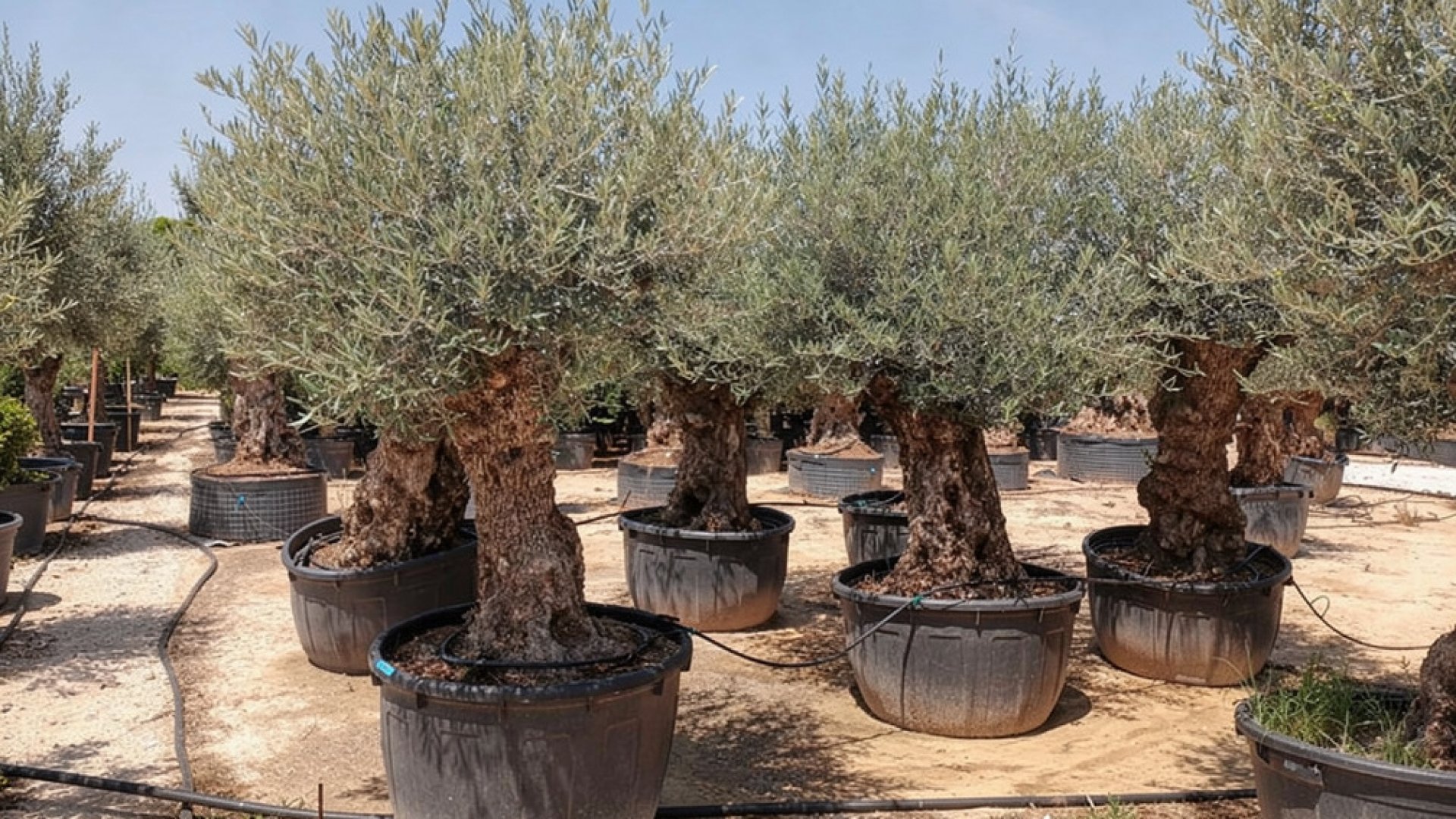
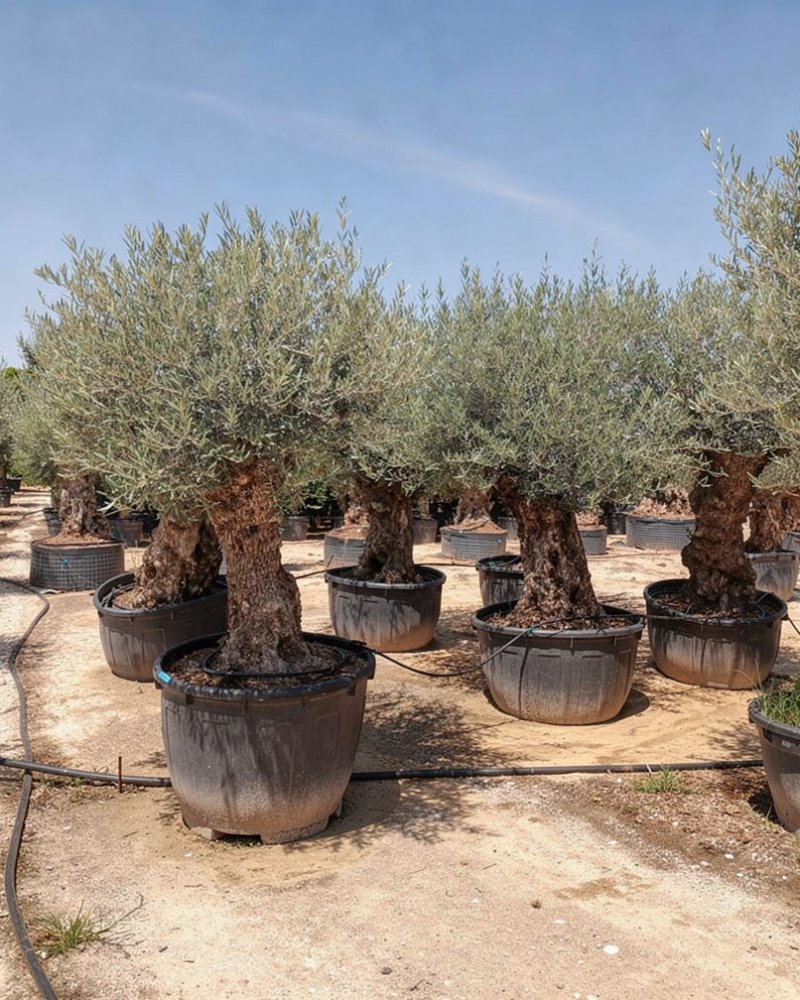
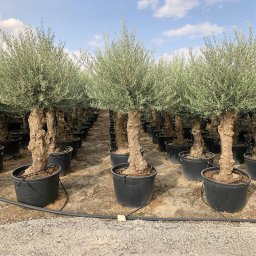
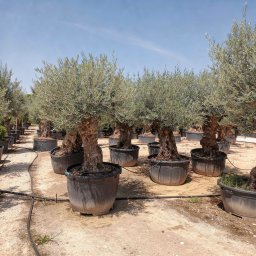
A cornerstone of Mediterranean landscapes, the olive tree is prized for its silvery-green foliage, gnarled trunk, and remarkable longevity. Highly drought-tolerant once established, it is a top choice for professional landscapers seeking timeless, low-maintenance planting schemes. Available in both young specimens and mature, character-rich forms for high-impact installations.
AVAILABLE DIMENSIONS
SELECT YOUR IDEAL SIZE
PLANT DETAILS
EVERYTHING YOU NEED TO KNOW
DETAILS
Olea europaea belongs to the family Oleaceae and is an evergreen tree with a slow-growing, long-lived habit. It produces lance-shaped, leathery leaves with a distinctive silver-green upper surface and pale grey-white underside, creating its iconic shimmering appearance. Small, fragrant white flowers appear in late spring, followed by drupes ripening from green to black. Mature specimens typically reach 8 to 15 metres in height with equal spread, though centuries-old trees can exceed these dimensions considerably.
The gnarled, sculptural trunk is one of the most commercially valued features for buyers seeking wholesale Olea europaea nursery stock with instant visual impact. Distinctive cultivars including Arbequina, Frantoio, and Picual offer variation in fruit yield, canopy density, and cold tolerance, giving professional buyers flexibility for diverse project specifications.
The gnarled, sculptural trunk is one of the most commercially valued features for buyers seeking wholesale Olea europaea nursery stock with instant visual impact. Distinctive cultivars including Arbequina, Frantoio, and Picual offer variation in fruit yield, canopy density, and cold tolerance, giving professional buyers flexibility for diverse project specifications.
GROWING
Olea europaea thrives in free-draining, loamy or sandy soils with a pH range of 6.0 to 8.0, tolerating poor, rocky, or calcareous substrates where many other species fail. Full sun exposure is essential, requiring a minimum of six to eight hours of direct sunlight daily for optimal health and fruiting. Established trees are highly drought tolerant, though young transplants benefit from regular irrigation during the first two growing seasons to encourage deep root development.
Growth rate is slow to moderate, typically 30 to 60 centimetres per year under favourable conditions. Waterlogged or compacted soils significantly reduce performance and increase disease risk, making soil preparation a critical consideration for landscapers and garden centres sourcing wholesale Olive Tree stock for installation projects.
Growth rate is slow to moderate, typically 30 to 60 centimetres per year under favourable conditions. Waterlogged or compacted soils significantly reduce performance and increase disease risk, making soil preparation a critical consideration for landscapers and garden centres sourcing wholesale Olive Tree stock for installation projects.
CLIMATE
Olea europaea performs best in USDA hardiness zones 8 to 11, thriving across Mediterranean, semi-arid, and warm temperate climates. It tolerates summer temperatures exceeding 40 degrees Celsius with ease, making it highly suitable for heat-island urban planting schemes and exposed coastal sites with good salt spray tolerance. Most cultivars withstand occasional frosts down to approximately minus 10 degrees Celsius, though prolonged freezing conditions can cause significant damage to foliage and young wood.
In colder microclimates at the edge of zone 8, south-facing aspects and good air drainage are recommended to minimise frost risk. Buyers sourcing mature olive trees from wholesale nurseries in Spain or Portugal should confirm cultivar-specific cold hardiness ratings to ensure suitability for their regional planting conditions.
In colder microclimates at the edge of zone 8, south-facing aspects and good air drainage are recommended to minimise frost risk. Buyers sourcing mature olive trees from wholesale nurseries in Spain or Portugal should confirm cultivar-specific cold hardiness ratings to ensure suitability for their regional planting conditions.
LANDSCAPING
Olea europaea is a versatile specimen for Mediterranean gardens, formal courtyards, rooftop terraces, public planting schemes, and olive grove restorations. Multi-stem and standard forms provide structural year-round interest, pairing well with Lavandula, Rosmarinus, Cistus, and ornamental grasses for cohesive drought-tolerant planting palettes. Spacing of 4 to 6 metres is recommended for grove plantings, while specimen trees require open positioning to display their full canopy and trunk character.
For wholesale buyers purchasing large or mature Olea europaea specimens, logistics planning is essential. Containerised trees in 100 to 500-litre pots are significantly heavy and require crane or forklift handling. Root-balled specimens offer a cost-effective alternative for buy wholesale Olive Tree Spain orders and should be transported with protective burlap and anti-desiccant spray to minimise transplant stress during shipping.
For wholesale buyers purchasing large or mature Olea europaea specimens, logistics planning is essential. Containerised trees in 100 to 500-litre pots are significantly heavy and require crane or forklift handling. Root-balled specimens offer a cost-effective alternative for buy wholesale Olive Tree Spain orders and should be transported with protective burlap and anti-desiccant spray to minimise transplant stress during shipping.
CARE
Pruning is best carried out in late spring after any frost risk has passed, focusing on removing crossing branches, improving airflow, and maintaining the desired form. Olive trees tolerate hard renovation pruning well, making them adaptable for topiary, cloud pruning, or natural multi-stem shaping. Annual fertilisation with a balanced slow-release fertiliser in early spring supports healthy foliage and, where desired, fruit production.
Olea europaea demonstrates strong natural resistance to most pests and diseases, though Olive Knot (Pseudomonas savastanoi) and Verticillium wilt can occur in poorly drained sites. In borderline cold zones, wrapping trunks with horticultural fleece during severe frost periods is advisable for younger trees. Long-term, minimal intervention is required once established, reinforcing the strong commercial value of this species for low-maintenance landscape contracts.
Olea europaea demonstrates strong natural resistance to most pests and diseases, though Olive Knot (Pseudomonas savastanoi) and Verticillium wilt can occur in poorly drained sites. In borderline cold zones, wrapping trunks with horticultural fleece during severe frost periods is advisable for younger trees. Long-term, minimal intervention is required once established, reinforcing the strong commercial value of this species for low-maintenance landscape contracts.