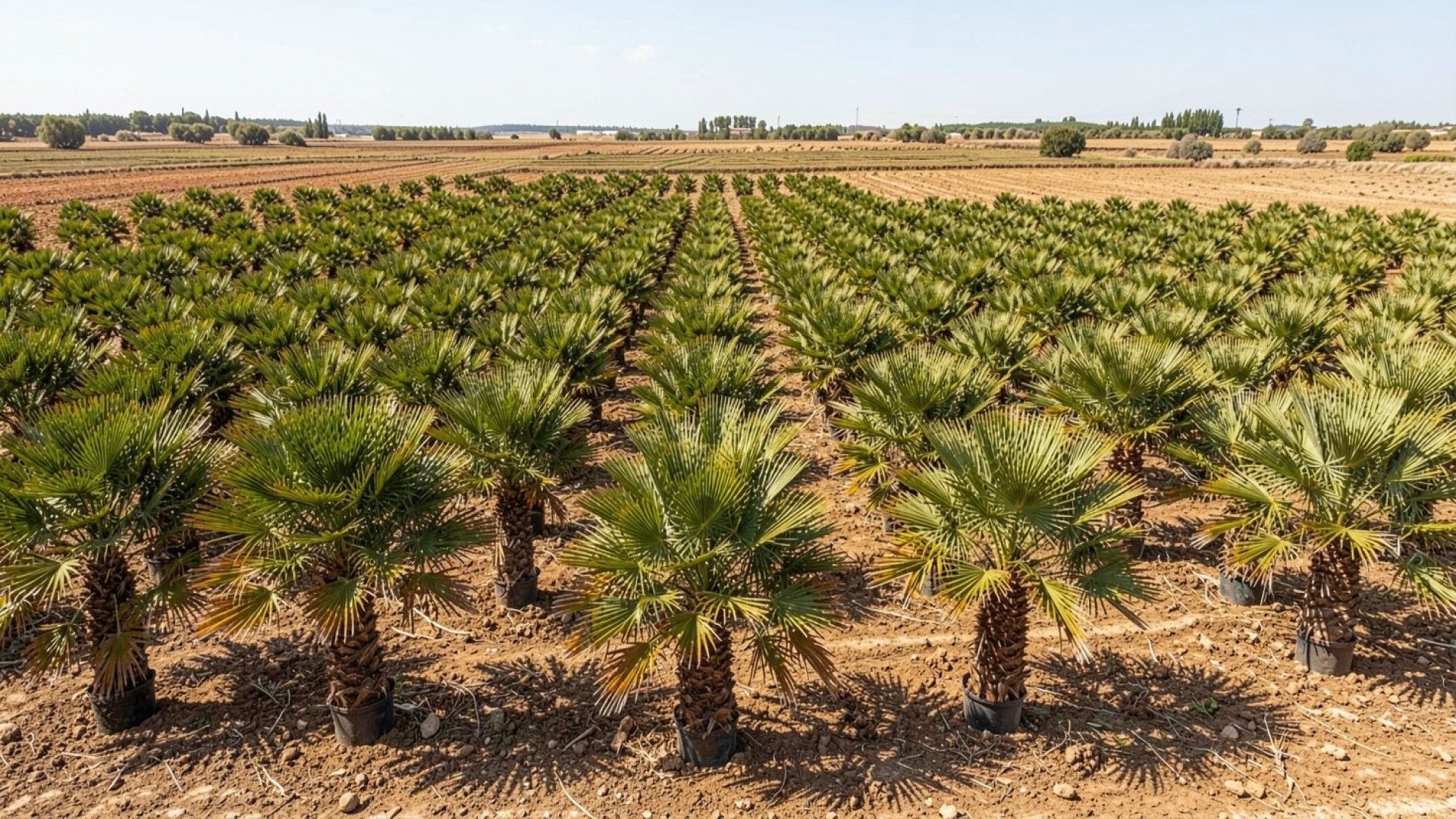
In professional landscaping, garden design, and architectural planting, there is one challenge that never goes away: how do you create a sense of permanence, history, and depth in a space that is being built from scratch? Planting young specimens and waiting decades is rarely an option for clients investing in luxury residential gardens, five-star resort grounds, or prestige commercial developments. That is precisely why mature and ancient olive trees have become one of the most sought-after elements in high-end landscape projects across Europe and beyond.
At Viveros La Morera, we specialise in supplying extraordinary aged olive specimens to landscapers, garden centres, and architects who understand that some plants simply cannot be rushed. Rooted in the Mediterranean, grown with passion, our collection of mature olive trees brings centuries of natural character directly to your project site.
What Makes a Mature Olive Tree So Valuable?
The olive tree is unlike almost any other species available to the landscape trade. While most ornamental trees reach their visual peak after 20 or 30 years of growth, the olive continues to develop character, texture, and sculptural presence for hundreds of years. The trunk thickens, twists, and fissures. The bark deepens in colour, shifting from pale silver to rich ochre and charcoal. The canopy becomes denser and more architectural. Every decade adds another layer of visual complexity that simply cannot be replicated artificially.
For design professionals, this means that a single well-chosen specimen can anchor an entire garden composition, provide an immediate sense of place, and communicate a level of quality that clients instantly recognise and respond to. There is a reason that aged olive trees consistently appear in award-winning garden designs and luxury hotel grounds across southern Europe.
Our Range of Mature Olive Varieties
Not all olive trees look the same, and at Viveros La Morera we offer a carefully curated selection of varieties, each with its own distinct character and design potential.
Millennium Olive Tree
These are among the most dramatic specimens in our entire collection. Sourced at between 200 and 500 years of age, Millennium Olive Trees offer buyers a living piece of history with an exceptionally gnarled, ancient-looking trunk that delivers instant character to any landscape project. Their dense, silver-green canopy and rugged bark make them a top choice for high-end residential gardens, boutique hotel courtyards, and landmark public spaces where visual impact is non-negotiable.
Wild Olive Tree
The wild ancestor of the cultivated olive develops extraordinarily twisted, multi-stemmed trunks with deeply cracked, ancient-looking bark accumulated over many centuries. Specimens can grow exceptionally tall in their native Mediterranean scrubland habitat, offering unmatched natural character. Landscape architects prize these trees for creating authentic, untamed Mediterranean atmospheres in luxury garden projects where a more manicured specimen simply would not feel right.
Hojiblanca Olive Tree
Named after the distinctive white underside of its leaves, the Hojiblanca is a staple variety from Andalusia capable of growing into a tall, spreading specimen with a thick, characterful trunk. Centuries-old examples display deeply furrowed, almost sculptural bark with a rich silver and ochre palette that photographers and designers consistently gravitate toward. Its broad, rounded canopy and aged bark texture make it one of the most visually impactful olive varieties available at wholesale scale.
Picual Olive Tree
The most extensively planted olive variety in Spain, the Picual is renowned for its robust, straight trunk that can reach considerable heights over centuries of growth. Its bark develops deep, dramatic ridges and a silver-brown patina that signals authentic age and character. Wholesale buyers seeking statement trees for public spaces and resort landscaping consistently favour this variety for its commanding presence.
Koroneiki Olive Tree
Originating from the Peloponnese region of Greece, the Koroneiki is one of the oldest known olive cultivars still in wide cultivation. Its naturally small leaves and slow growth result in incredibly dense, sculptural forms with bark that develops rich texture and depth over time. Professional buyers value aged Koroneiki specimens for their authentic Greek heritage and their ability to anchor Mediterranean-themed design projects with a sense of historical credibility.
Frantoio and Leccino Olive Trees
For projects requiring height, elegance, and a more formal aesthetic, both the Frantoio and Leccino varieties offer exceptional ornamental value. The Frantoio, originally from Tuscany, develops a deeply furrowed, silvery-grey bark and an upright, vigorous growth habit. The Leccino, another classic Italian variety, is known for its tall, columnar silhouette and particularly smooth, pale grey bark that contrasts beautifully with its dark green, lance-shaped foliage. Both are highly sought after for avenue plantings and formal garden designs.
Practical Considerations for Specifying Mature Olive Trees
Sourcing and installing mature olive specimens requires a different approach from standard nursery stock purchasing. Here are the key factors that professional buyers need to consider when planning a project around aged trees.
Lead Times and Availability
Mature and ancient olive trees are not a commodity product. The best specimens are selected, prepared, and conditioned over time before they are ready for transplanting. At Viveros La Morera, we recommend engaging with us at the earliest stage of your project so that we can identify the right trees for your brief and ensure they are properly prepared for installation. Availability of specific sizes and forms can be limited, particularly for the most characterful ancient specimens.
Transportation and Installation
Trees of significant age and size require specialist transportation equipment and experienced installation teams. The root ball size, tree weight, and crown dimensions all need to be factored into site access planning, crane or lifting equipment requirements, and post-installation support structures. We work alongside landscaping contractors regularly and can advise on best practices for safe and successful installation.
Post-Planting Care
One of the great advantages of mature olive trees is their remarkable resilience. Olive trees are highly drought-tolerant once established and extraordinarily forgiving compared to many other large transplanted specimens. However, the establishment period immediately following planting requires consistent irrigation, appropriate soil preparation, and, in some cases, temporary wind protection. With the right aftercare, mature olives establish reliably and go on to thrive for many more centuries in their new location.
Design Applications: Where Mature Olive Trees Work Best
The versatility of the mature olive tree is one of its greatest strengths from a design perspective. Below are some of the most compelling applications that our clients specify them for.
- Luxury residential gardens: A single ancient specimen planted as a central focal point immediately elevates the perceived quality and maturity of an entire garden design.
- Hotel and resort grounds: Mature olives communicate authenticity and permanence, reinforcing the sense of place that luxury hospitality clients demand.
- Courtyard and terrace planting: Their manageable canopy spread and suitability for large containers make them ideal for enclosed outdoor spaces in urban settings.
- Avenue and boulevard planting: Varieties such as the Leccino and Picual, with their more upright habits, work exceptionally well in formal avenue plantings for both private estates and public realm projects.
- Contemporary garden design: The sculptural trunk forms and silver-green foliage of ancient olives pair beautifully with clean architectural lines, gravel, and minimalist planting palettes.
- Heritage and restoration projects: Where a garden has historical significance, introducing genuinely ancient olive trees reinforces the narrative and provenance of the space.
Why Source Your Mature Olive Trees from Viveros La Morera?
The wholesale trade in mature Mediterranean trees requires not just access to quality stock but deep knowledge of the plants themselves, their origins, and their behaviour in transplanted conditions. At Viveros La Morera, our team has spent years developing relationships with growers and grove owners across the Mediterranean basin, allowing us to offer a level of selection and provenance transparency that buyers at the top of the market demand.
We supply professional landscapers, garden centres, and architectural practices with trees that are not only visually exceptional but correctly prepared, documented where required, and matched to the specific demands of each project brief. Whether you are looking for a single landmark specimen for a private client or a coordinated supply of statement trees for a large hospitality development, we can support your project from selection through to delivery.
If you are working on a project where only a truly extraordinary tree will do, we invite you to get in touch with the Viveros La Morera team. Let us help you find the specimen that will define the space for generations to come.